Draft the report, flag a patient for review, and build the next nurse roster.
An X-ray appears on a Northwestern Medicine radiologist’s screen with a first draft of the report. The radiologist checks the image, edits the wording and signs. At Kaiser Permanente, doctors can get a draft of the visit summary when the patient agrees.
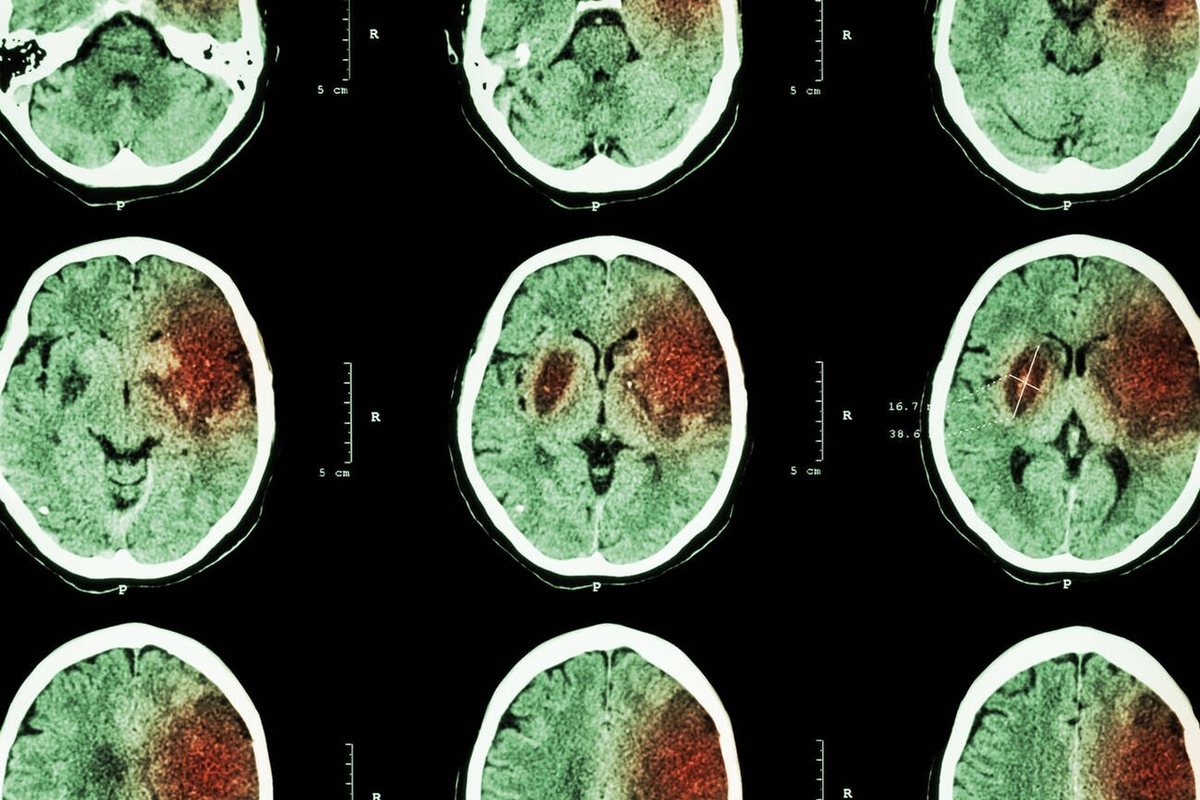
When every minute counts, UC San Diego Health’s emergency departments alert bedside nurses to rising sepsis risk, while NHS England stroke centers use scan reads to spot patients who may benefit from clot removal. On hospital wards, Fu Jen’s head nurses review a draft monthly roster to keep every shift covered.
Where AI works todayRead scans, alert bedside staff, draft clinical notes and assign shifts.
Typical human checkpointA radiologist signs the X-ray report, a nurse assesses the sepsis alert, and a head nurse approves the roster.
Key measured results in this sectorA Northwestern study of 23,960 X-rays found report documentation was 15.5% faster. Fu Jen cut monthly scheduling time from 32 hours to six.
−81.2%Monthly nurse-scheduling time (32 hrs → 6 hrs)
Scheduling AI builds rosters for 156 nurses across eight hospital departments—cutting monthly planning from 32 hours to 6 while showing staff why each shift fits.
15.5% fasterRadiologist X-ray report documentation with zero accuracy loss
Homegrown AI drafts X-ray reports in seconds across an 11-hospital network and flags urgent findings first—leaving board-certified radiologists in charge of every sign-off.
Every Tuesday and Thursday morning, we email our newest plain-English case studies—complete with measured outcomes, primary sources, and practical playbooks your team can copy.
Free forever · Zero vendor pitches · One-click unsubscribe anytime